
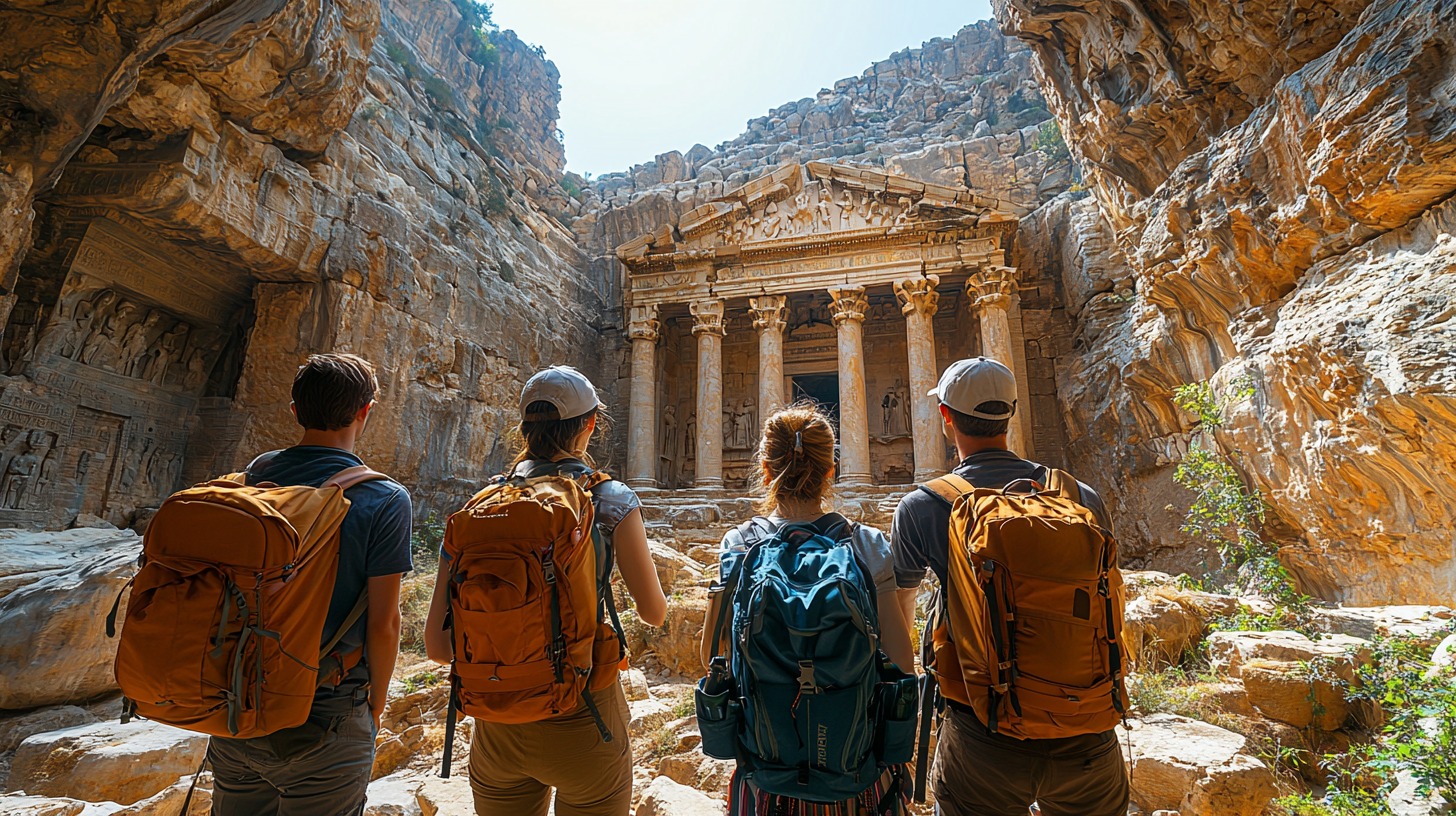
Cultural tourism offers travelers the chance to explore and engage with a destination’s local culture, traditions, history, and way of life. This type of travel appeals to those seeking authentic experiences beyond standard sightseeing. By planning ahead, you can discover unique activities, such as these 10 things to do in Qatar. Visitors interested in cultural tourism aim to connect with the essence of a place through its festivals, food, music, and crafts, creating a deeper connection to the destination.
Why cultural tourism matters
Cultural tourism is essential for business success because it creates unique offerings that stand out. Travelers today seek personal and meaningful experiences. Businesses that integrate local traditions, arts, and customs into their services or products allow tourists to engage in something special. For example, a hotel offering local cooking classes or guided historical tours can be more attractive to travelers than one providing only basic amenities. Understanding what cultural tourism offers helps businesses meet the growing demand for authentic travel experiences.
Captivating travelers with unique cultural experiences
Cultural tourism offers tourism businesses a prime opportunity to develop a unique value proposition. By allowing travelers to engage with local traditions and cultural events, businesses can transform a typical trip into an unforgettable adventure. Cultural tourists often readily invest more in authentic experiences such as festivals, handicraft workshops, or local performances. Tour operators can leverage resources like www.theportugalnews.com to inspire travel and highlight captivating destinations.

Boosting business and local communities
Another benefit of embracing cultural tourism is the boost to both businesses and local communities. Tourism businesses promote local culture, help preserve traditions, and create economic opportunities for local artisans, guides, and performers. This mutually beneficial relationship ensures that both the business and the community thrive, while tourists leave with a meaningful connection to the destination.
How to market cultural tourism to attract global visitors
To successfully market cultural tourism, businesses must promote local traditions, customs, and heritage. One of the best ways to market cultural tourism is by showcasing what makes the destination unique. Tourists are drawn to cultural elements like art, music, cuisine, and craftsmanship. Highlighting these traditions through marketing campaigns can attract visitors eager to experience authentic local culture. By focusing on these unique aspects, businesses can create a strong appeal for global tourists seeking more than just sightseeing.
Promote local festivals and cultural events
A key strategy for marketing cultural tourism is promoting local festivals and events. These events offer travelers an immersive experience and a firsthand look at local traditions. Festivals play a significant role in marketing campaigns. Events like traditional dances, religious celebrations, and art fairs are natural attractions for international tourists. Highlighting these events’ cultural significance and unique features will appeal to travelers who want to participate in authentic experiences.

Use digital channels to reach global audiences
Effectively marketing cultural tourism means using digital channels to reach a global audience. Platforms like Instagram, YouTube, and travel blogs allow businesses to showcase their cultural offerings to millions of potential visitors. For businesses wondering how to market cultural tourism online, the answer lies in visually appealing content that highlights the local culture. Engaging videos, photos, and stories of cultural experiences can inspire tourists to visit. Additionally, partnerships with travel influencers can amplify the reach of cultural tourism campaigns.
Impact of cultural tourism on local economies and communities
The impact of cultural tourism on local economies is significant, especially in regions rich with history and tradition. Cultural tourism attracts visitors eager to explore local art, food, and customs, driving demand for local goods and services. This, in turn, creates jobs in various sectors like hospitality, transportation, and guided tours. Local artisans, performers, and small businesses gain more exposure as tourists seek out and pay extra for authentic cultural experiences. This boosts their visibility and revenue in the tourism market. The boost to the local economy is a key impact of cultural tourism, as it provides sustainable income opportunities for residents.